
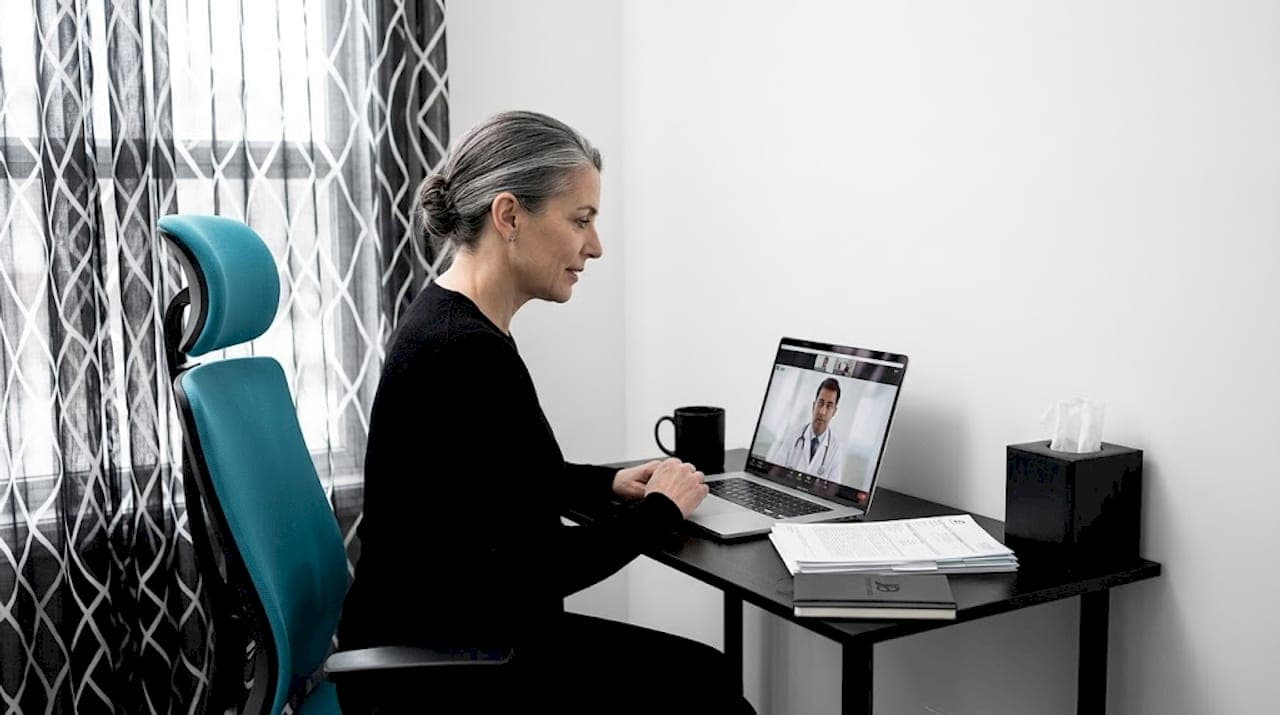
Picking the wrong type of virtual medical consultation can cost you more than just time. It can mean delayed treatment, a rejected cannabis certification, or a frustrating experience that sends you back to a waiting room you were trying to avoid. With remote healthcare growing fast and legal requirements around cannabis-related services varying by state, the range of options available today is genuinely wide. This article breaks down every major virtual consultation model, compares them side by side, and gives you clear, practical guidance on which one fits your specific situation.
Table of Contents
- Key criteria for choosing your virtual consultation model
- Synchronous consultations: Real-time telehealth visits
- Asynchronous consultations: Message-based and e-consults
- Remote patient monitoring (RPM): Sharing health data between appointments
- Hybrid consultations: When you may need both virtual and in-person care
- Compare your options: Virtual consultation models at a glance
- Which type of virtual visit fits your needs?
- Why defaulting to one virtual visit type is limiting: A deeper perspective
- Ready to choose the right virtual consultation? Start easily with Jiffy Doctor
- Frequently asked questions
Key Takeaways
| Point | Details |
|---|---|
| Choose by need | Match the consultation type to your urgency, complexity, and local regulations. |
| Synchronous for direct care | Live visits are best for urgent and mental health concerns needing real-time conversation. |
| Asynchronous for convenience | Message-based care suits non-emergency questions and fits flexible schedules. |
| RPM for ongoing management | Remote monitoring is ideal for chronic conditions and continuous feedback. |
| Know hybrid requirements | Some services like cannabis certification may require both virtual and in-person elements. |
Key criteria for choosing your virtual consultation model
To make informed choices, let's clarify what factors most influence which virtual care model is best for you.
Not all virtual visits are created equal. Before choosing a model, you need to understand the variables that separate one type from another. Telehealth model design depends primarily on timing and the type of data being exchanged. These two factors alone narrow your options considerably.
Here are the core criteria to evaluate before booking any virtual consultation:
- Timing of interaction: Do you need answers right now, or can you wait a few hours or days for a provider to review your information?
- Type of data shared: Will you be talking face to face, uploading images, sending text messages, or transmitting device readings like blood pressure or glucose levels?
- Legal requirements: Some services, especially cannabis-related certifications, have state-specific rules about what kind of interaction is legally valid.
- Urgency: Acute symptoms need real-time attention. Routine follow-ups may not.
- Privacy and convenience: Some people prefer text-based communication; others need the reassurance of a live conversation.
- Tech comfort level: Video visits require a stable internet connection and a working camera. Not everyone has both.
Pro Tip: Before you book anything, write down your top two priorities. If speed matters most, lean toward synchronous. If flexibility is your priority, asynchronous may be your best fit.
Synchronous consultations: Real-time telehealth visits
Once you know your core criteria, start with what most people imagine when they think of a virtual doctor visit: real-time interaction.
Synchronous telehealth means you and your provider are connected at the same time, either by video or phone. It mirrors a traditional clinic visit in pacing and flow, just without the commute. Direct interaction needs often make synchronous the default choice for conditions that require nuanced back-and-forth conversation.
Pros of synchronous consultations:
- Immediate answers and real-time clinical decisions
- Strong personal connection, especially important for mental health
- Allows providers to observe visual cues like skin conditions, movement, or emotional state
- Best suited for acute concerns where waiting is not an option
Cons to consider:
- Requires scheduling in advance, which can mean wait times
- Needs a stable internet connection and working camera for video
- Sessions are often time-limited, so complex concerns may feel rushed
- Not always available on demand, depending on the platform
"Telehealth is most commonly used for mental health services and has maintained steady utilization even after the pandemic peak."
This matters because mental health care depends heavily on the quality of the conversation. A text message simply cannot replace the experience of talking through anxiety, depression, or trauma with a live provider. If your concern involves emotional wellbeing, synchronous is almost always the right call.
Pro Tip: If you are seeking a cannabis evaluation and your state allows virtual visits, a synchronous video call is typically the safest and most legally accepted format. Always confirm your state's rules before booking.
Asynchronous consultations: Message-based and e-consults
For less urgent needs or to avoid scheduling altogether, asynchronous care is increasingly common and surprisingly effective for the right situations.
Asynchronous telehealth means you submit your information, such as symptoms, images, lab results, or a written description of your concern, and a provider reviews it on their own schedule and responds later. There is no live connection required. Think of it like a detailed, medically informed email exchange.
Pros of asynchronous consultations:
- No scheduling required. Submit your information at 2 a.m. if that works for you.
- Allows you to upload supporting documents, photos of skin conditions, or existing test results
- Reduces pressure to articulate everything perfectly in real time
- Often faster for straightforward, low-complexity questions
Cons and important cautions:
- No immediate response. You may wait hours or even a day for a reply.
- Not appropriate for urgent or emergency situations
- Cannot replace the nuance of a live conversation for complex diagnoses
- Policy eligibility varies significantly by state and payer
One important nuance: some asynchronous workflows are only policy-eligible for provider-to-provider interaction, not for direct patient-to-provider communication. This is especially relevant in states with strict Medicaid or insurance rules.
For cannabis-related requests specifically, be cautious. Many states do not accept asynchronous communication as a valid format for issuing a cannabis recommendation or certification. Always verify your state's requirements before assuming a message-based visit will qualify.
Pro Tip: Asynchronous works beautifully for medication refills, minor skin concerns, or getting lab results explained. It is not the right tool for first-time cannabis evaluations in most states.

Remote patient monitoring (RPM): Sharing health data between appointments
Some conditions need ongoing data rather than one-off consultations. That is where remote patient monitoring fits in.
RPM is a model where you use home-based devices, such as blood pressure cuffs, glucose monitors, pulse oximeters, or wearables, that automatically transmit your health readings to your care team. RPM involves physiologic data streams sent between clinical encounters, giving providers a continuous picture of your health rather than a single snapshot.
What RPM tracks:
- Blood pressure and heart rate
- Blood glucose levels
- Oxygen saturation
- Weight fluctuations
- Sleep patterns and activity levels
Where RPM fits in cannabis-related care:
For patients using medical cannabis to manage chronic pain, seizure disorders, or anxiety, RPM can be a powerful tool. Your provider can monitor how your body responds to a new cannabis regimen between formal visits, adjusting dosage or frequency based on real data rather than memory or self-reporting.
| RPM feature | Details |
|---|---|
| Data type | Physiologic readings from home devices |
| Interaction timing | Continuous or scheduled data uploads |
| Best for | Chronic conditions, post-treatment monitoring |
| Common devices | BP cuff, glucose meter, pulse oximeter |
| Privacy consideration | Data stored on provider's platform; confirm HIPAA compliance |
| Cannabis relevance | Tracks therapy effects between formal check-ins |
Data privacy is a real concern with RPM. Before enrolling in any RPM program, confirm that the platform is HIPAA-compliant (meaning it meets federal standards for protecting health information) and that you understand who has access to your readings.
Hybrid consultations: When you may need both virtual and in-person care
If neither fully virtual nor only in-person works, hybrid approaches step in.
Hybrid telehealth models combine remote communication with in-person elements when the clinical or legal situation requires it. You might start with a virtual intake, complete a physical exam at a local clinic, and then follow up remotely. This model emerged because certain conditions and legal frameworks simply cannot be fully addressed through a screen.
When hybrid care makes sense:
- You need a physical exam that cannot be replicated virtually, such as a musculoskeletal assessment or a skin biopsy
- Lab work or imaging is required before a provider can make a recommendation
- Your state requires an in-person component for cannabis certification. State law governs cannabis certifications and may mandate specific types of in-person interaction even when virtual options exist.
- You are managing a condition that occasionally requires hands-on intervention
Pros and cons of hybrid care:
| Feature | Hybrid model |
|---|---|
| Flexibility | High for follow-ups; limited for initial exams |
| Legal compliance | Strong, accommodates state-specific rules |
| Patient convenience | Moderate, requires some in-person travel |
| Best use case | Cannabis certifications, complex diagnostics |
| Cost | Often higher due to dual-mode logistics |
| Tech requirement | Moderate, video capability plus local clinic access |
The hybrid model is not a compromise. For many patients, it is the most clinically appropriate and legally sound path, especially when seeking cannabis-related certifications in states with stricter rules.
Compare your options: Virtual consultation models at a glance
Now that each model is clear, here is how they stack up side by side.
| Model | Speed | Flexibility | Cannabis use | Best scenario |
|---|---|---|---|---|
| Synchronous | Immediate | Low (requires scheduling) | Often accepted | Acute symptoms, mental health, first-time evaluations |
| Asynchronous | Delayed (hours to days) | High (no scheduling) | Rarely accepted | Refills, minor concerns, follow-up questions |
| RPM | Continuous | High (passive data) | Follow-up monitoring | Chronic conditions, ongoing therapy tracking |
| Hybrid | Varies | Moderate | Widely accepted | Cannabis certification, complex diagnostics |
Use this table as a quick reference when you are unsure which model to book. Match your situation to the "best scenario" column and work from there.
Which type of virtual visit fits your needs?
Bring it all together with practical advice for different healthcare situations.
The right model depends on the urgency of your needs and the type of data your provider requires. Here is a simple decision framework:
- Need a fast answer for an acute concern? Book a synchronous video or phone visit. Do not wait for an asynchronous reply when symptoms are urgent.
- Have a non-urgent question or need a refill? Asynchronous is your most convenient option. Upload your information and check back later.
- Managing a chronic condition like pain, diabetes, or a seizure disorder? Ask your provider about enrolling in an RPM program so they can track your health data continuously.
- Seeking a cannabis certification? Start by checking your state's rules. Many states accept synchronous video visits, but some require in-person components. Jurisdictional rules for cannabis certifications vary widely and can affect which model is legally valid.
- Need labs or a physical exam alongside your consultation? Hybrid is your best path. It combines the convenience of remote intake with the clinical accuracy of in-person follow-up.
Pro Tip: When in doubt, call the platform before booking. Ask directly: "Is this type of visit accepted for my state's cannabis certification process?" A five-minute phone call can save you from starting over.
Why defaulting to one virtual visit type is limiting: A deeper perspective
After reviewing every major model, here is what this means for your real-world decisions.
Most people pick the type of virtual visit they are most comfortable with and stick to it. That habit makes sense. Familiarity reduces friction. But in healthcare, comfort and clinical appropriateness are not always the same thing.
We have seen patients use asynchronous messaging for concerns that clearly needed a live conversation. We have also seen people avoid RPM because setting up a device felt intimidating, even when continuous monitoring would have caught a problem weeks earlier. Hybrid models emerged precisely because no single approach works across every clinical and legal context. The strengths of each model are real, but so are the constraints.
The cannabis certification space is where this gets especially consequential. The technology to complete a fully asynchronous cannabis evaluation exists. But the law in many states has not caught up, or intentionally requires more. Assuming your preferred virtual format is legally valid for a cannabis card application is a mistake that can delay your care by weeks.
The deeper lesson here is that the best virtual consultation model is not the one you are most used to. It is the one that fits your specific condition, your state's legal framework, and your provider's clinical requirements at that moment. Flexibility is not just a nice-to-have. In remote healthcare, it is a clinical skill worth developing.
Ready to choose the right virtual consultation? Start easily with Jiffy Doctor
If you are ready to try a virtual consultation or cannabis evaluation, here is your next step.
Navigating virtual healthcare options on your own can feel overwhelming, especially when legal requirements and clinical needs intersect. Jiffy Doctor simplifies the entire process by connecting you with licensed providers who understand both general health concerns and cannabis-specific evaluations.
Whether you need a quick synchronous visit for an acute concern, a streamlined cannabis card evaluation, or guidance on which consultation type fits your state's rules, Jiffy Doctor virtual consults make it easy to get started in minutes. The platform is built for people who value their time, want clear answers, and need a secure, reliable way to access care without the hassle of a physical clinic visit. Your next step is just a few clicks away.
Frequently asked questions
What's the difference between synchronous and asynchronous virtual consultations?
Synchronous means a live video or phone visit where you and your provider connect in real time, while asynchronous lets you send information for provider review and receive a reply later. The key design parameter separating these models is timing and whether immediate interaction is required.
Are all types of virtual medical consultations allowed for getting a medical cannabis card?
Not always. Many states require a live video visit or even an in-person component for cannabis certifications, and state rules govern cannabis certifications independently of federal guidelines, so requirements vary significantly.
When is remote patient monitoring (RPM) useful?
RPM is best for tracking chronic conditions where your provider needs a continuous stream of health data between formal visits. It involves physiologic data transmitted from home devices directly to your care team.
How widely used is telehealth for mental health support?
Telehealth is most commonly used for mental health services, and utilization has remained steady even as overall pandemic-era telehealth use declined.
Can I use asynchronous telehealth for urgent health worries?
No. Urgent concerns require the immediate feedback of a synchronous live visit, and timing needs for interaction in urgent scenarios make real-time telehealth the only appropriate choice.